
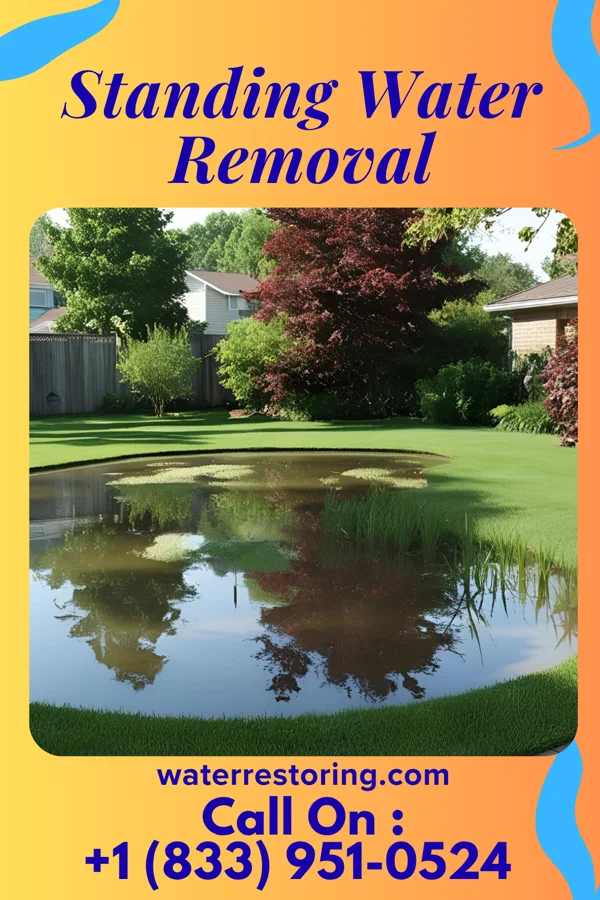
Standing Water & Insurance in Stockholm
In Stockholm, South Dakota, the primary water damage cause is often related to agricultural runoff and seasonal flooding due to the area's flat terrain and proximity to the James River. Additionally, heavy rainfall events in the spring and early summer can lead to water accumulation in low-lying areas, particularly near Strandburg and South Shore. is the trigger behind most standing water removal claims in Stockholm. A close second is Secondary causes include leaks from aging infrastructure in rural areas, such as broken water mains and septic system failures. Winter thawing can also contribute to sudden water intrusion in homes and buildings.. Most homeowner insurance policies cover sudden, accidental water damage. What separates a clean claim from a stuck one is fast professional response with documentation an adjuster can actually use.
Stockholm's rural setting and surrounding agricultural land make it particularly vulnerable to water damage from both natural and man-made sources. The region experiences significant precipitation, especially in the spring, which increases the risk of water intrusion in residential and commercial properties.
Most standing water removal calls in Stockholm come from In Stockholm, South Dakota, the primary water damage cause is often related to agricultural runoff and seasonal flooding due to the area's flat terrain and proximity to the James River. Additionally, heavy rainfall events in the spring and early summer can lead to water accumulation in low-lying areas, particularly near Strandburg and South Shore.. Running a close second is Secondary causes include leaks from aging infrastructure in rural areas, such as broken water mains and septic system failures. Winter thawing can also contribute to sudden water intrusion in homes and buildings.. Local mold risk: Mold growth in Stockholm can be a serious concern due to the high humidity levels and frequent rainfall. Prompt water damage restoration is critical to prevent mold from spreading in the region's older, often poorly insulated homes.